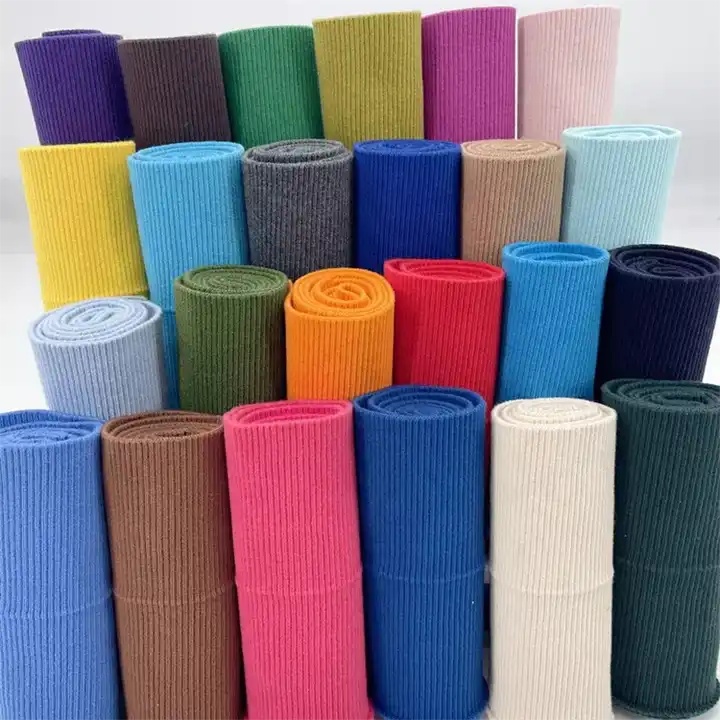
The World of Knit Rib Cuffs A Guide to Stylish Details for Jackets and Hoodies

Are you curious about the latest trends in cuffs for jackets and hoodies? Look no further! In this article, we’ll explore a variety of knit rib cuffs that add a touch of sophistication and style to your outerwear. From the classic 2x1 rib cuff to the luxurious wool cuff fabric, we’ll dive into the details of each cuff type, their characteristics, and the fashion-forward looks they can create.

Stripe Knit Rib Cuff: Adding a Pop of Color

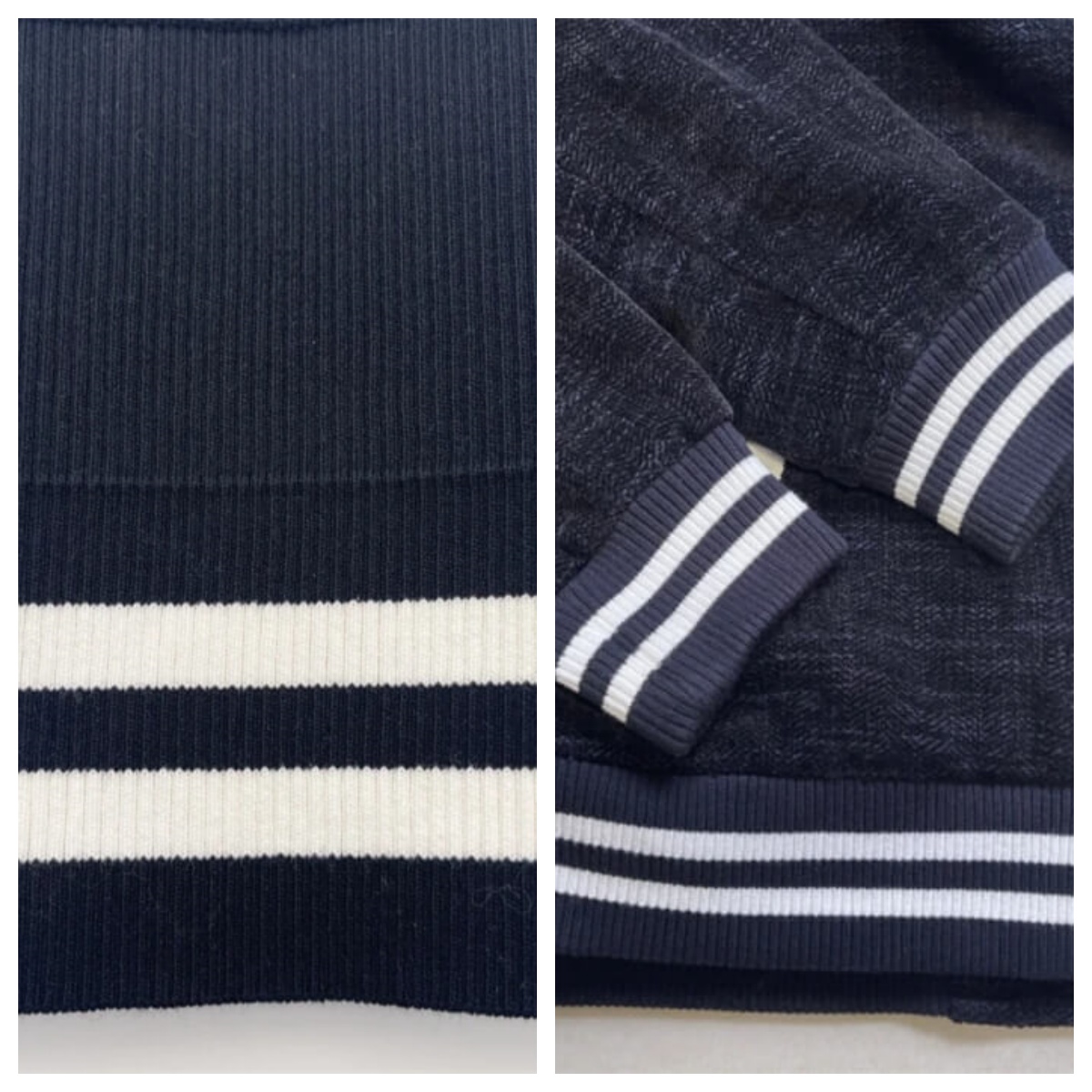
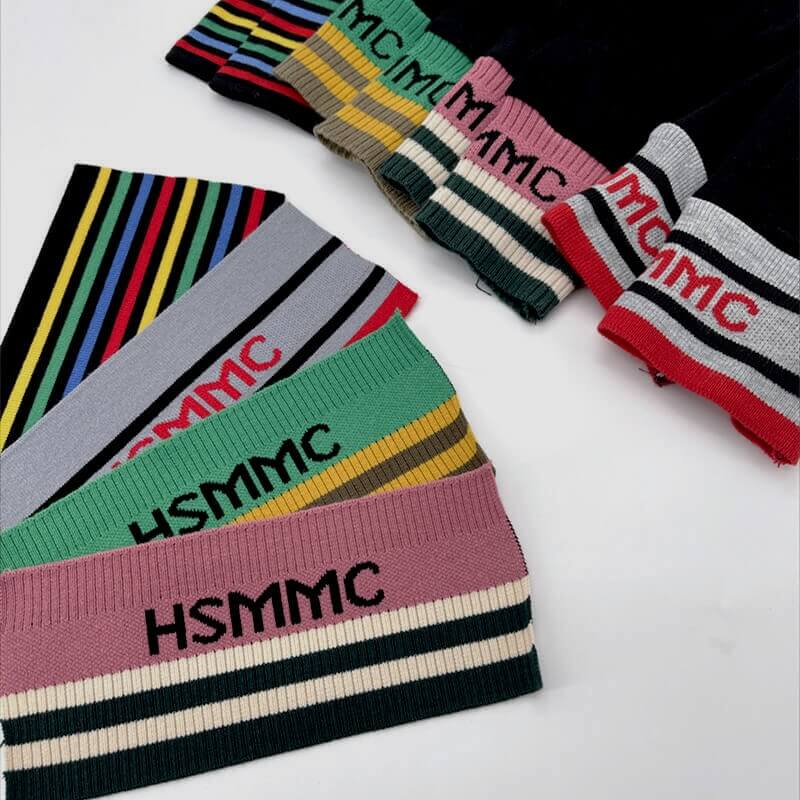
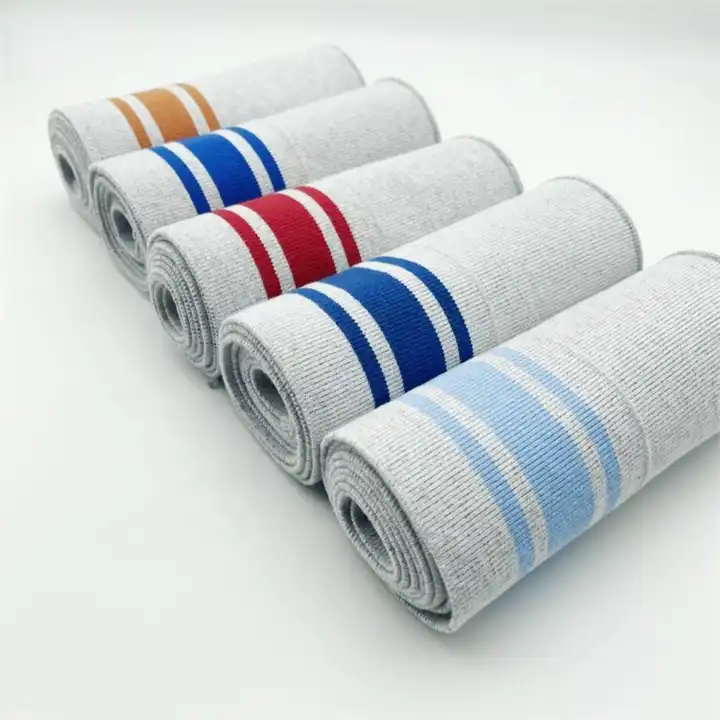
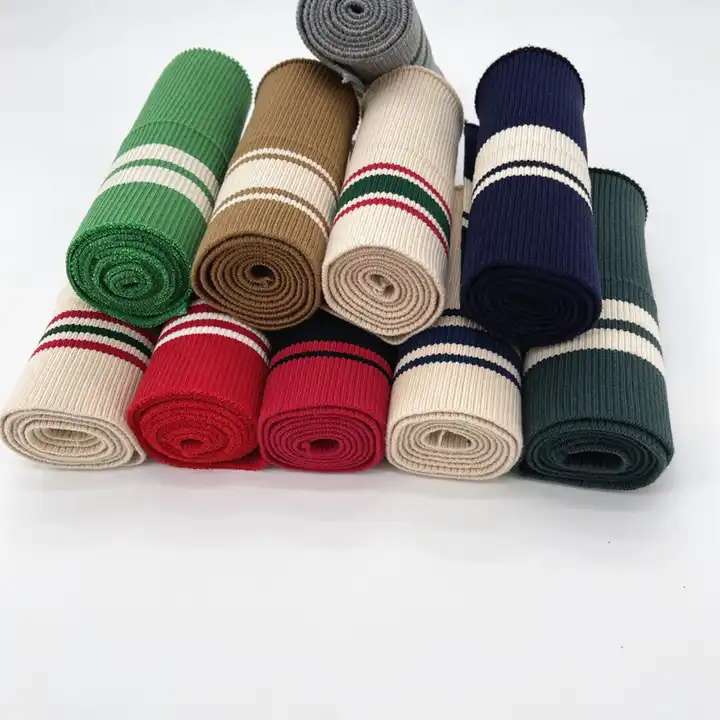
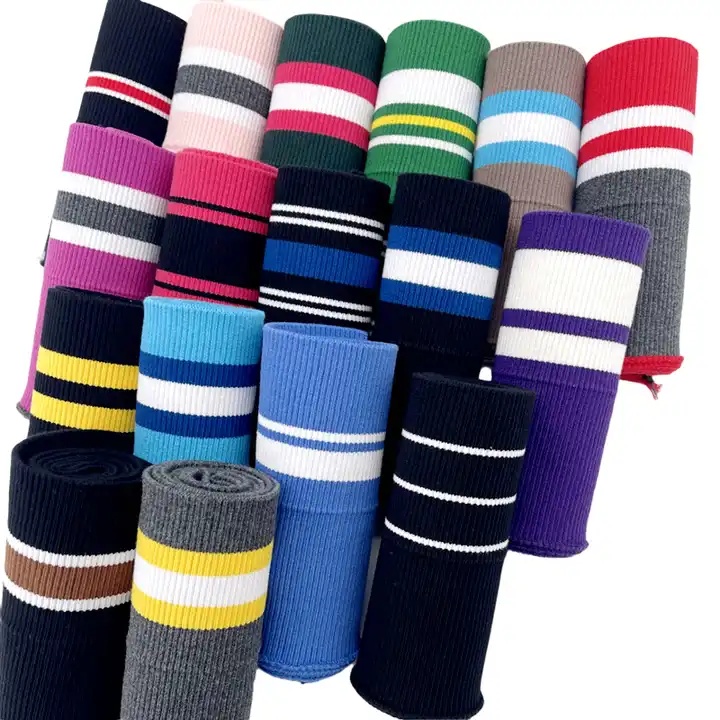
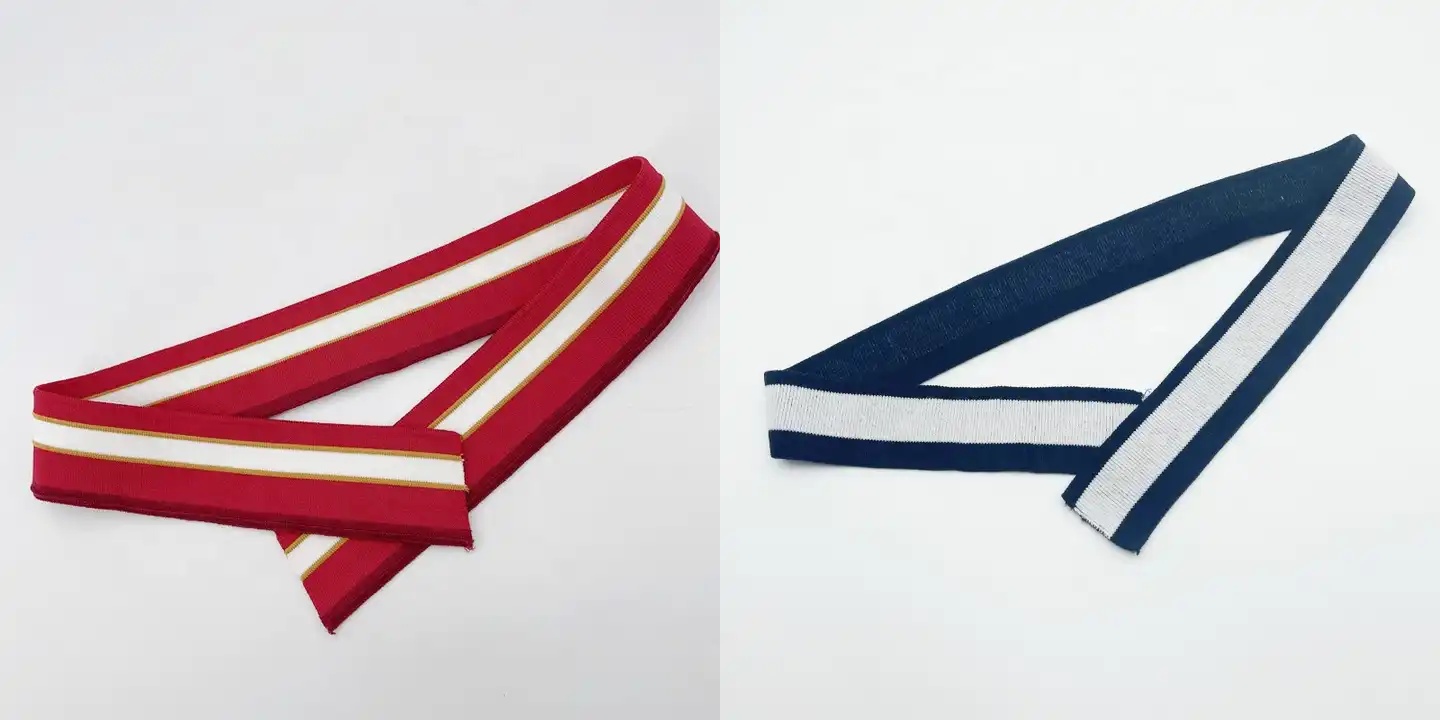
The stripe knit rib cuff is a playful and eye-catching detail for those who love to make a statement. This cuff style features alternating colors woven into the ribbed fabric, creating a visually dynamic effect. Whether you want to add a pop of color to a neutral-toned jacket or make your hoodie stand out from the crowd, the stripe knit rib cuff is the perfect choice.

2x1 Rib Cuff: A Classic and Versatile Choice

If you’re looking for a timeless cuff design that goes well with any outfit, the 2x1 rib cuff is an excellent option. The pattern consists of two knitted stitches followed by one purl stitch, creating a stretchy and form-fitting cuff. Its simplicity and versatility make it a popular choice for both jackets and hoodies, adding a touch of elegance to any ensemble.

Cuff Hem Rib: A Tailored and Refined Look

For those seeking a more tailored and refined appearance, the cuff hem rib is the way to go. This cuff style is typically found on dressier jackets and coats, featuring a wider rib pattern that resembles a hemline. Its sleek and structured look elevates any outerwear piece, making it a perfect choice for formal occasions or when you want to dress to impress.

Wool Cuff Fabric: Warmth and Luxury Combined

If warmth is a priority, wool cuff fabric is an option worth considering. Made from high-quality wool fibers, this type of cuff provides excellent insulation while adding a luxurious touch to your jacket or hoodie. Wool cuff fabric is not only cozy and comfortable but also has a natural ability to regulate body temperature, keeping you warm in chilly weather and cool when things heat up.

Ribbed Cuffs and Hem: The Classic Finish

When it comes to the ultimate classic finish for jackets and hoodies, ribbed cuffs and hem are the go-to choice. This traditional design features a stretchy ribbed fabric at the cuffs and bottom hem, providing a snug fit and a polished look. Whether you prefer a slim or chunky ribbed pattern, this timeless cuff style adds a touch of elegance and refinement to any outerwear.

Thick Knitted Cuffing: Cozy and Fashion-Forward

For those looking to embrace the cozy and fashion-forward trend, thick knitted cuffing is a must-have. This chunky cuff style creates a bold and textured look, perfect for oversized hoodies or statement jackets. With its larger stitches and voluminous appearance, the thick knitted cuffing offers both warmth and a fashionable twist to your outerwear ensemble.

In conclusion, the world of knit rib cuffs offers a plethora of options to enhance the style and functionality of your jackets and hoodies. Whether you’re aiming for a classic, refined look or a bold statement, there is a cuff design to suit your taste. From the stylish stripe knit rib cuff to the warmth and luxury of wool cuff fabric, these details elevate your outerwear game. Experiment with different cuff styles to express your personality and make a lasting impression wherever you go.
How to Choose the Right Round Neck T-Shirt with Ribbed Collar?


Have you ever felt confused when choosing T-shirts? The round neck T-shirt is a classic style, and one of the design details is the ribbed collar. Here are some suggestions to help you choose the round neck T-shirt with a ribbed collar that suits you:

stripe flat knit neck trim

Understanding Ribbed Collar Design: The ribbed collar involves adding fine pleats around the neckline of the round neck T-shirt. Typically made of elastic materials, it provides better comfort and texture.

Consider Colors and Styles: Choose colors and styles that suit your personal taste. Classic black, white, and gray are suitable for a low-key and simple look, while vibrant colors like red, blue, or yellow showcase energy. Personalized slogans or patterns are also considerations.

Size and Fabric Matter: Ensure you choose the right size for your body shape, neither too tight nor too loose. Pay attention to the fabric; soft and comfortable cotton is a common choice, but you can also consider other materials such as polyester, nylon, etc.

Think about Matching and Occasions: The round neck T-shirt with a ribbed collar is versatile and can be paired with jeans, casual pants, skirts, etc. Suitable for both daily leisure and formal occasions, choose styles and colors based on the specific occasion to showcase different personal styles.

rib knit collar/collar rib

By comprehensively considering factors like color, style, size, fabric, matching, and occasions, you can easily find the round neck T-shirt with a ribbed collar that suits you, showcasing your unique personal taste and style.

What are the characteristics of rib tissue?


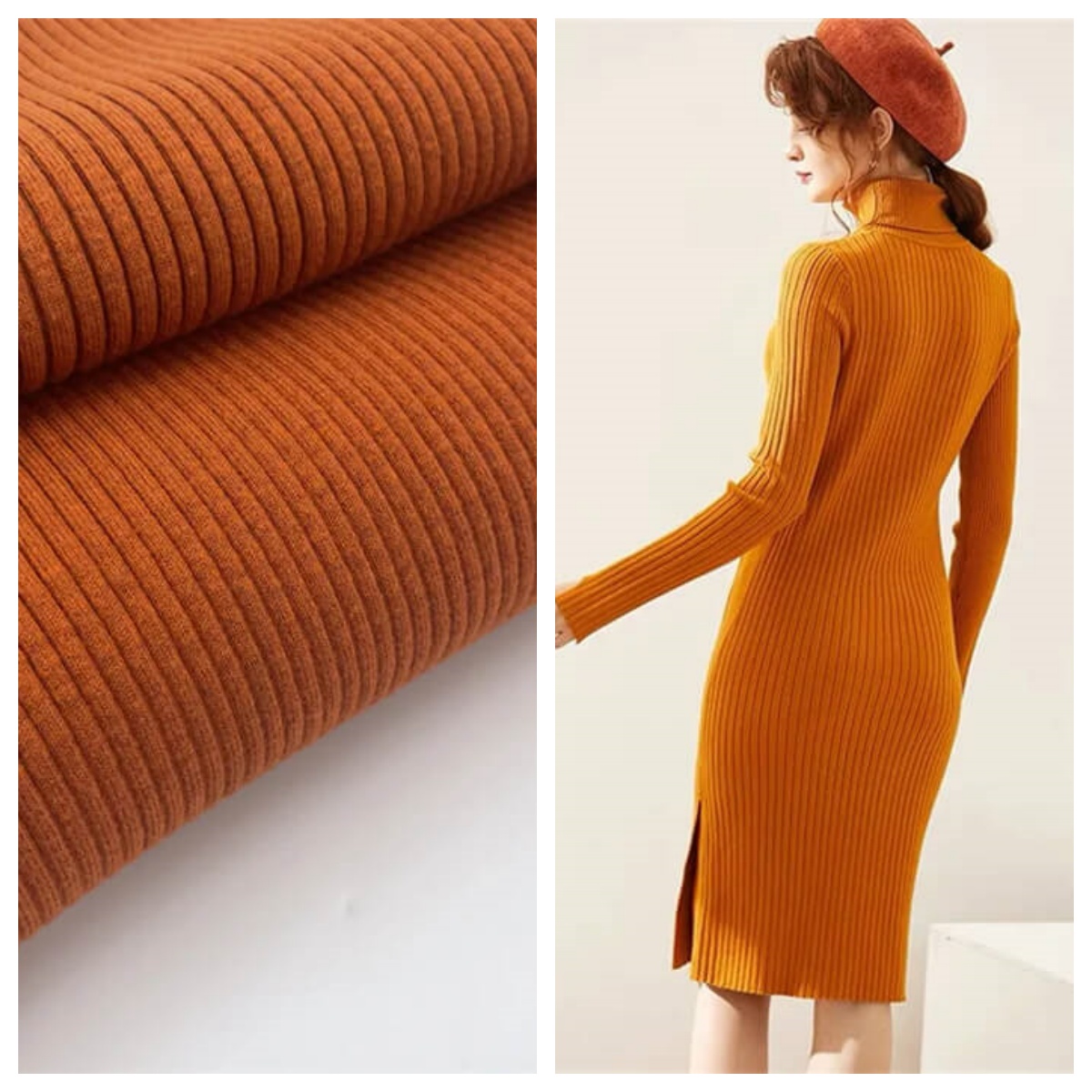
       Rib tissue is a transversely highly elastic tissue, that is, when stretched transversely, it has greater elongation and elasticity, and the higher the density, the better the elasticity; the longitudinal direction is the same as the weft, and the strength is slightly higher. The rib structure is a double-sided symmetrical structure, so it does not curl and is not easy to fall apart.

        The sinking arc of the reverse coil is hidden behind the front coil and is approximately perpendicular to the plane of the fabric, making the fabric thicker and warmer; stretching causes the sinking arc to bend and twist, so the external force is removed, and the front and back coils quickly reset and become highly elastic. Since the rib structure follows the weaving direction and the rows will not fall apart, the closing edge can be directly woven into a plain edge without the need for hemming or hemming. Rib tissue is often used in clothing collars, cuffs, trouser leg openings, hem edges, sock cuffs, etc. and elastic, tights, sportswear, etc. Especially after being woven or lined with spandex yarn, the elasticity is better.


       The double rib weave fabric is composed of two rib weaves spread out in the weft direction, so when the unfilled coefficient is the same as the rib weave, the extensibility and elasticity of the double rib weave are relatively minimal. Double rib knitted fabric has a typical double-layer structure.

          It is thick and durable, has good warmth retention, is smooth and beautiful, has a compact structure, is symmetrical and stable, does not curl, has large interactions, and has low coil detachment. Double rib knitted fabric is suitable for cotton sweaters, winter underwear, tight bodybuilding clothing, sportswear and jackets, etc. And with colored yarn, it can be woven into colorful double rib structures such as colorful horizontal strips, colorful vertical strips, colorful small squares, etc., commonly known as colorful cotton wool cloth. If there are no needles inserted into some needle grooves on the upper and lower cylinders, various longitudinal concave and convex stripes can be formed, commonly known as striped cotton cloth.


What is common textile finishing techniques

         Every component of textile products, including fibers, yarns, fabrics, processing, and finishing, has an impact on the final product. Fibers are the smallest building blocks of fabrics and are typically spun into yarns for textile manufacturing. Fibers can be natural, synthetic, or a combination of both. Through felting and bonding techniques, fibers can be directly transformed into fabrics. Additionally, different fabric production systems can manipulate yarns to create different types of fabric structures. Fibers are twisted or arranged into long continuous threads, which are then used to produce various types of fabrics, such as woven, knitted, crocheted, knotted, woven, and braided.

(rib cuff hem fabric)


        After production, textile materials undergo processing to add value, such as improving aesthetics, physical performance, and functionality. Techniques such as dyeing, printing, and embroidery can also be used for the decorative purposes of textile materials.

       There are indeed many mechanical and chemical techniques available for improving the quality and performance of finished textiles. Here are some common textile finishing techniques:

        Bleaching: Bleaching is a process of removing impurities and undesired colors from textiles. Common bleaching agents include chlorine bleaches, hydrogen peroxide, and sulphite-based bleaches. The bleaching process helps enhance the whiteness and luster of textiles.

         Dyeing: Dyeing is the process of adding color to textiles. Dyes can be water-soluble, solvent-based, or pigments suspended in the fiber. Dyeing can be achieved through immersion, spray, printing, and other methods. Dyeing gives textiles a vibrant appearance.

         Finishing agents: Finishing agents are chemicals applied to textiles to enhance their properties. They can improve attributes such as softness, wrinkle-resistance, water-repellency, flame resistance, and antimicrobial properties. Examples of finishing agents include fabric softeners, wrinkle-release agents, water repellents, and flame retardants.

What is OEKO-TEX ?

OEKO-TEX is an independent international standards and certification system that aims to evaluate and certify the sustainability and environmental performance of textile products. It was founded in 1992 by the International Textile Research and Testing Association and is headquartered in Zurich, Switzerland.


The OEKO-TEX certification system covers all aspects of textiles, including fabrics, textile materials, clothing, home textiles and other related products. It evaluates the performance of products in terms of chemical use, product safety, ecological standards and social responsibility.


Products certified by OEKO-TEX must meet the various standards and restrictions set by it. These standards include restrictions on the use of hazardous substances, such as carcinogenic dyes, harmful heavy metals and harmful dye residues. In addition, it requires manufacturers to comply with environmental requirements, including requirements for wastewater treatment, energy efficiency and waste management.


The OEKO-TEX certification system provides consumers with a trusted source to choose textile products that meet environmental and sustainability standards.

Knitted rib fabric produced from yarn made of100 %cotton, 100% viscose, white and reactive dyed, 100 %polyamide,100% polyester,white, disperse and aciddyed, wool/polyamide, wool/acrylic, white, yarn or topdyed(reactive,cationic) and their mixtures. or mixturewith or without elastane; exclusively produced usingcomponents pre-certified according to OEKO-TEX?STANDARD 100.

What is Rib Knit Trim Fabric Cuffing Tubular Cuff


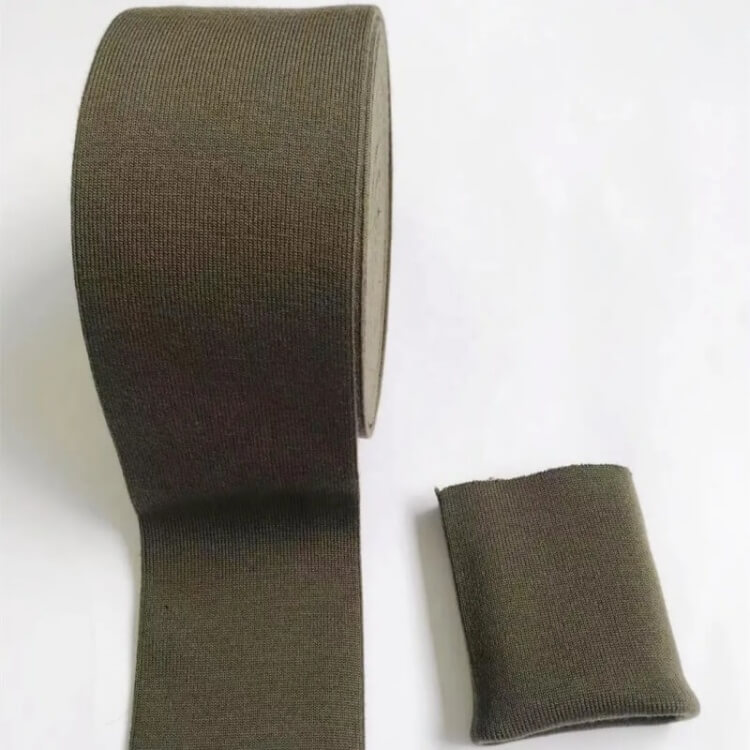
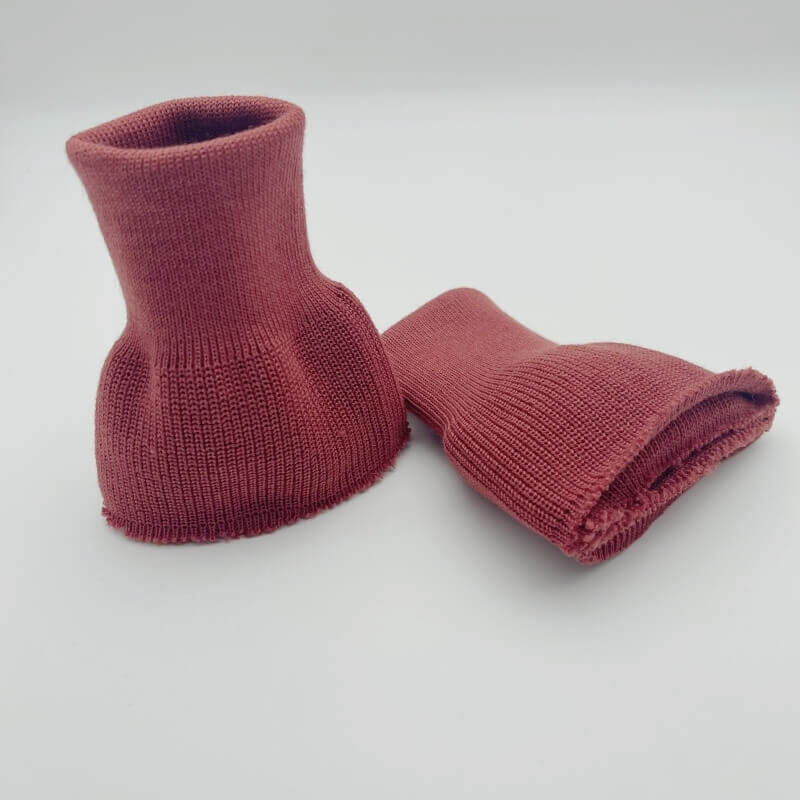
Rib Knit Trim Fabric Cuffing Tubular Cuff refers to a type of material used in clothing construction, specifically for cuff ribbing and waistbands. It is often a ribbed knit fabric that provides stretch and flexibility, making it suitable for finishing edges on garments. This material is commonly used in making cuffs for sleeves or waistbands for pants and skirts, providing a snug fit and comfortable wear. The tubular nature suggests that it comes in a tube-like form, simplifying the process of attaching it to garment edges.

It is available in various styles, such as 2x2 ribbing, indicating the pattern of ribs on the fabric. This material is versatile, offering both functional and aesthetic benefits in garment design, especially in creating well-fitted and stylish finishes.


What is ribbing?


What is ribbing?


    The English name of rib is Rib.

    Rib weave is the basic weave of double-sided weft knitted fabrics. It is composed of front wales and back wales arranged in a certain combination. At the same time, because rib weave is a knitted fabric knitted with two needle beds and is a double-sided knitted fabric, we usually classify it as a double-sided knitted fabric.

    Types of rib tissue

    There are many types of rib weaves, which depend on the different configurations of the number of longitudinal rows of coils on the front and back sides, which are usually represented by numbers.

    For example: 1X1 rib weave: it is knitted with 1 needle bed and 1 needle outlet on the front and rear needle beds. The two are combined into a basic unit, and the entire fabric is obtained through this cycle.

2X1 rib weave: It is a basic unit composed of three coils: a front bed coil, a four-flat coil, and a back bed coil. The needle bed alignment is the position of the groove.

    Knitted rib fabric is a double-sided rib fabric. The stitching methods of 1*1 rib fabric and 2*2 rib fabric are different. You can observe that the stitches drawn every other stitch on the fabric are 1*1 rib fabric. , the two stitches drawn every two stitches are 2*2 rib fabric. Rib fabric is generally woven with 19-needle, 16-needle, or 12-needle weft-knitted threads.

    The 1*1 rib fabric is a flat fabric, which is the kind with no grooves in the middle, and is straight, just like ordinary fabrics; the 2*2 rib fabric has vertical line marks, and there are grooves between every two needles. Rib fabric has better elasticity.

    Knitted fabrics are divided into plain knitted fabrics and rib knitted fabrics. The plain knitted fabric is a knitted plain weave, also called a plain weave, which is a single-sided weave, with vertical strips on the front and horizontal strips on the back; rib knitted fabric is a double-sided weave, that is, double-sided fabric. Both sides have vertical strips.

    Plain stitch will have a curling effect, while ribbed tissue will not curl; general knitted jersey refers to plain stitch, such as those used to make cultural shirts, and some who deliberately pursue the curling effect will also use plain stitch. Express.

    Circular woven fabric

    Or called weft knitted fabric. The main products are: knitted jersey, cotton wool cloth, rib cloth, mesh cloth, polar fleece, air layer, polyester cover, terry cloth, brushed cloth, cut velvet cloth, artificial fur, etc., and there are many mixed fabrics. Methods include: plain rib variation weave, jacquard weave, tuck weave, plating weave, padding weave, terry variation weave, etc. Due to the different needle arrangement rules of weaving methods, the same product will also have many variations, such as: mesh cloth has small mesh, pique mesh, pineapple grid, waffle grid, etc.

    Flat woven fabric

    Or called warp knitted fabric. The main products are: flat knitted rib, cardigan fabric, yarn sweater fabric, warp knitted plain fabric, warp knitted mesh fabric, warp knitted suede, warp knitted fleece fabric, warp knitted terry fabric, warp knitted terry fabric etc.

   On the original basis, changes in raw materials (cotton, linen, silk, chemical fiber, wool, organic hemp, bamboo fiber, corn fiber, seaweed fiber, etc. and blends), dyeing changes (dying, yarn-dyed weaving, color spinning) and process changes ( Changes such as jacquard, interweaving, compounding, brushing, flocking, burnout, washing, stone grinding, coating), etc., will regenerate many varieties. We provide collar, cuff, hem, waistband knitting rib for clothing accessory.

The Perfect Jar for Body/Face Cream Enthusiasts 30g 50g Classical Elegant Straight Round Face Cream Jar

Are you a body/face cream enthusiast in pursuit of the perfect jar? Look no further! We are delighted to introduce the 30g 50g Classical Elegant Straight Round Face Cream Jar, a true gem among beauty packaging. With its unique features and countless benefits, this jar is sure to elevate your skincare routine to new heights of luxury.

Timeless Elegance

The Classical Elegant Straight Round Face Cream Jar epitomizes sophistication and refinement. Its sleek design and rounded shape exude effortless elegance, making it a stunning addition to any vanity or bathroom counter. Crafted with meticulous attention to detail, this jar is destined to become a timeless classic in the world of beauty packaging.

Perfect Size Options

Available in both 30g and 50g capacities, this jar offers flexibility to suit your needs. The 30g size is ideal for those who prefer to have a travel-friendly container, while the 50g size ensures you have an ample supply of your favorite body or face cream for extended use. Say goodbye to the hassle of constantly refilling your jar; with these size options, you can tailor your skincare routine to your lifestyle.

Superior Quality

When it comes to preserving the integrity of your precious creams, this jar goes above and beyond. Crafted from premium materials, it provides excellent protection against UV rays, moisture, and air, keeping your creams fresh and potent. The high-quality construction ensures durability, so you can enjoy this jar for years to come.

User-Friendly Design

The Classical Elegant Straight Round Face Cream Jar is not just a pretty face – it is designed with ease of use in mind. The screw-top lid ensures a tight seal, preventing any accidental spills and leaks. The wide mouth of the jar allows for effortless scooping and dispensing of your cream, making your skincare routine a seamless and enjoyable experience.

Versatile and Customizable

Whether you use it for your face, body, or both, this jar is the perfect companion for all your cream-based products. Its clean and neutral design makes it a versatile choice that complements a variety of styles and aesthetics. Furthermore, this jar can be easily customized with your own branding or labeling, giving your products a personal touch.

A Sustainable Choice

As conscious consumers, sustainability is a priority. The 30g 50g Classical Elegant Straight Round Face Cream Jar is not only visually stunning but also eco-friendly. Crafted from recyclable materials, it promotes a greener planet without compromising on its functionality or appeal.

In conclusion, the 30g 50g Classical Elegant Straight Round Face Cream Jar is the epitome of luxury and practicality. With its timeless elegance, superior quality, and user-friendly design, it caters to the needs of body/face cream enthusiasts like no other. Embrace sophistication and elevate your skincare routine with this remarkable jar – because you deserve nothing short of perfection.

The Evolution of Jacket Cuff Ribbing A Stylish Statement of Comfort and Sophistication

Jacket cuff ribbing, also known as rib knit cuff, has rapidly become a popular trend in the world of fashion. This small detail has the ability to transform an ordinary jacket into a stylish statement piece. But, what exactly is jacket cuff ribbing, and why has it gained so much attention?

The Basics: What is Jacket Cuff Ribbing?

Jacket cuff ribbing refers to the special banding around the wrists of a jacket, typically made from rib knit fabric. This ribbed cuff provides a snug fit and creates a visual contrast to the rest of the jacket. It is often seen in jackets made from materials such as leather, denim, or wool, adding a touch of elegance to any outfit.

Adding Comfort and Functionality

One of the major advantages of jacket cuff ribbing is the enhanced comfort it offers. The rib knit fabric stretches easily, allowing for flexibility and a comfortable fit around the wrists. This feature is particularly appreciated during colder seasons, as it helps to keep drafts of cold air from entering the sleeves. The ribbing also acts as a barrier against rain or snow, making it a functional addition to any jacket.

A Stylish Detail

Beyond its practicality, jacket cuff ribbing has gained attention for its undeniable style factor. The ribbed texture creates an appealing visual contrast, particularly when combined with other design elements such as different colored stripes or patterned fabrics. It adds a subtle sophistication to any jacket, elevating its overall look.

Versatility in Design

Jacket cuff ribbing comes in various styles and thicknesses, allowing for endless design possibilities. Some jackets feature a classic solid-color rib knit cuff, while others incorporate a contrasting stripe knit rib cuff for a bolder statement. Additionally, ribbed cuffs can also be found on the hem of jackets, maintaining a cohesive and polished appearance. The versatility of jacket cuff ribbing ensures that it can easily be incorporated into a wide range of jacket styles, from casual to formal.

The Rise of a Trend

In recent years, jacket cuff ribbing has seen a resurgence in popularity. It is now a coveted design feature in both men’s and women’s fashion. Designers and fashion enthusiasts alike have recognized its ability to transform a jacket, making it an essential element of contemporary style.

Embrace the Style and Comfort

So, next time you grab a jacket, take a moment to appreciate the intricate detail of the ribbed cuff. It not only enhances your comfort but also adds a touch of elegance to your outfit. Whether you prefer a classic solid-color cuff or an eye-catching stripe knit rib design, jacket cuff ribbing is a testament to how even the smallest details can make a big impact in the world of fashion. Embrace this trend and elevate your jacket game to a whole new level of style and comfort.

A Step-by-Step Guide to Using Cotton Stripe Knit Beige Ribbing Cuff

Cotton stripe knit beige ribbing cuff is a versatile and stylish material commonly used in various sewing and crafting projects. From clothing accents to accessories, this cotton ribbing cuff adds a touch of elegance and functionality to your creations. If you’re a beginner looking to incorporate this material into your projects, this step-by-step guide will walk you through the process.

Step 1: Gathering Materials

Before you start using cotton stripe knit beige ribbing cuff, it’s important to gather all the necessary materials. Apart from the ribbing cuff itself, you’ll need fabric scissors, pins, a sewing machine or hand-sewing needles, and coordinating thread.

Step 2: Measuring and Cutting

Measure the length of the area you plan to use the ribbing cuff on, whether it’s a sleeve, collar, or waistband. Add a small amount to allow for overlapping and folding. Once you have the correct measurement, use fabric scissors to cut the ribbing cuff to size. Ensure that the edges are clean and even.

Step 3: Pinning in Place

With the ribbing cuff cut to the desired length, it’s time to pin it in place on your fabric. Align the raw edges of the cuff with the edges of the fabric that you’re attaching it to. Use pins to secure the ribbing cuff, making sure it lies flat without any puckering or stretching.

Step 4: Sewing

If you’re using a sewing machine, select a stretch stitch or a narrow zigzag stitch. Sew along the pinned edge of the ribbing cuff, removing the pins as you go. Keep the fabric taught but not overly stretched as you sew. If you prefer hand-sewing, use a stretch or zigzag stitch with a needle and thread.

Step 5: Finishing Touches

Once you have sewn the ribbing cuff in place, trim any excess thread and remove any remaining pins. Gently press the seam with a warm iron to flatten it. This step adds a professional touch to your project and helps the ribbing cuff lie flat.

Step 6: Styling and Enjoying

Now that your cotton stripe knit beige ribbing cuff is securely attached, it’s time to style and enjoy your creation. Whether you’ve added it to a shirt sleeve, a sweater hem, or a bag strap, this ribbing cuff will enhance the overall look and functionality of your project.

Remember, practice makes perfect. Don’t be discouraged if your first attempt isn’t flawless. With time and experience, you’ll become more skilled at working with cotton stripe knit beige ribbing cuff.

So go ahead, experiment, and let your creativity shine with this versatile material!